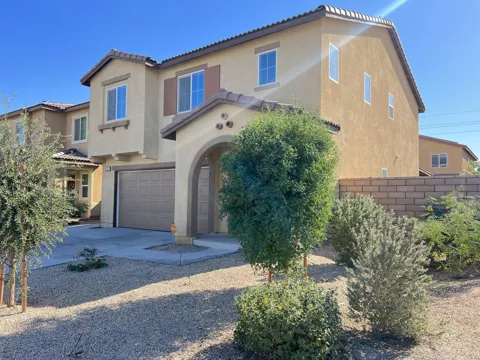
Eastern Gateway of the Coachella Valley
Welcome to Coachella, the easternmost city of the Coachella Valley, a former railroad town turned agricultural hub known for its dates and its namesake valley.
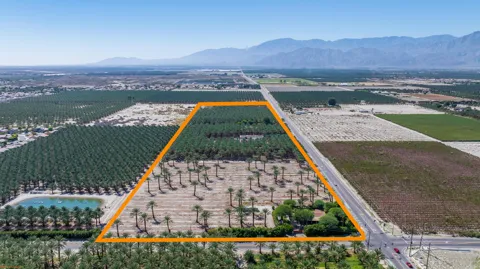
Coachella is an incorporated city in Riverside County, California, and the easternmost city of the Coachella Valley, a desert region of Southern California that takes its name from the community itself. Situated in the Colorado Desert about thirty miles east of Palm Springs and just southeast of Indio, Coachella anchors the valley's agricultural economy and serves as a shipping and distribution center for produce grown across the surrounding farmland. Its population of roughly 42,000 makes it one of the larger cities in the eastern valley. The city's origins lie with the railroad. Jason L. Rector, regarded as the town's founder, established a mesquite-wood terminal on a Southern Pacific Railroad siding, where lumber was loaded for market in Los Angeles. The stop was first called Woodspur before residents sought a more distinctive name. By local account, the intended name was "Conchilla," a Spanish reference to the shells found in the area, but a printer's error rendered it "Coachella" — and the name stuck, later extending to the entire valley. Agriculture has long been the community's economic backbone. The valley's arid climate proved ideal for date palms, and the commercial date industry took root in the early twentieth century. Today Coachella remains a hub for dates, table grapes, citrus, and vegetables, with packing houses and distribution facilities tying the city to markets across the West. Culturally, Coachella is a predominantly Hispanic community with deep roots in the region's farm-working families, and it has a growing profile as the namesake of a valley known worldwide for its music festival and desert resorts. The Salton Sea lies to the south, and the surrounding landscape offers access to desert recreation. The city itself retains a working, close-knit character distinct from the resort communities farther west.
Coachella is in Riverside County, California. It is the easternmost city of the Coachella Valley, in the Colorado Desert of Southern California, about thirty miles east of Palm Springs and just southeast of Indio.
The Coachella Valley Music and Arts Festival is held in neighboring Indio, not in the city of Coachella itself. Coachella is, however, the namesake of the valley that hosts the event, and the city's name is the one made famous by the festival.
Coachella is served by the Coachella Valley Unified School District, which is based in nearby Thermal. The district operates about 22 schools and enrolls roughly 17,000 students across the eastern Coachella Valley.
Coachella is about thirty miles east of Palm Springs, reached via State Route 111 and Interstate 10 along the valley floor. It sits just southeast of Indio, the Coachella Valley's largest city.
Coachella is known as an agricultural hub of the Coachella Valley, particularly for dates, table grapes, citrus, and vegetables. The city began as a Southern Pacific Railroad siding called Woodspur and later gave its name to the entire valley.
City Guide
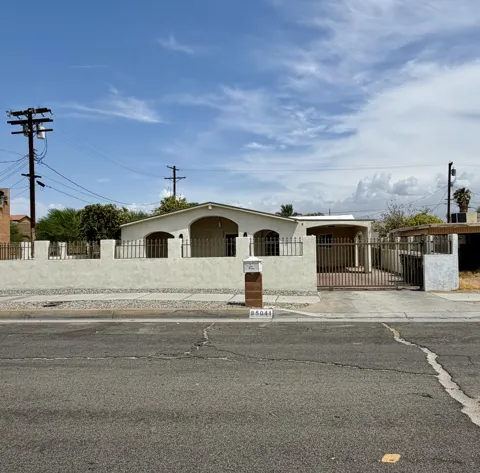
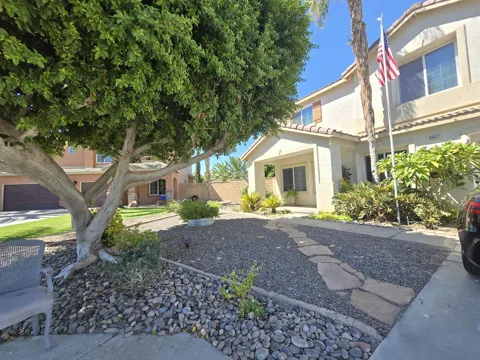
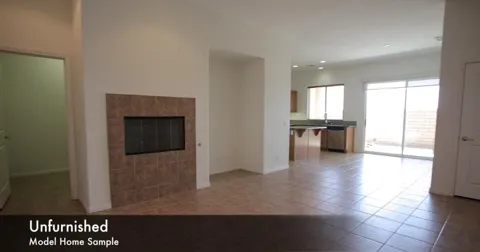
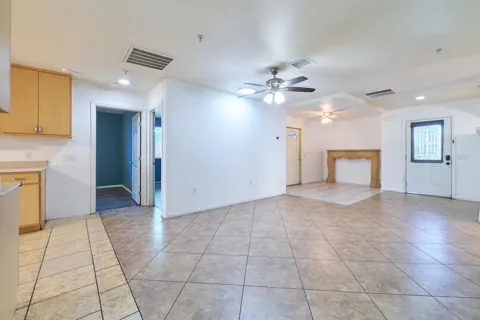
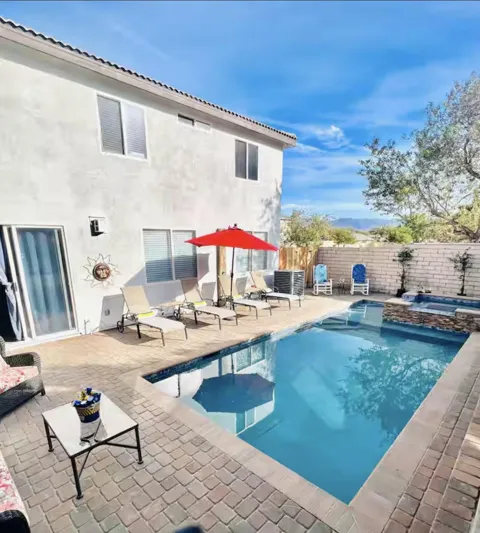
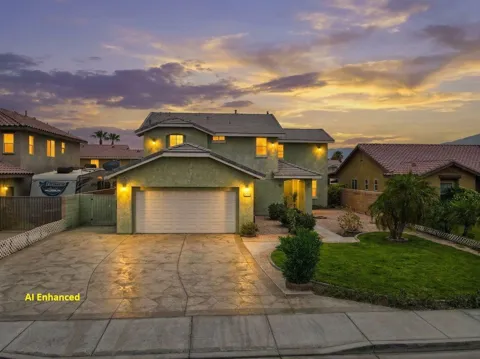
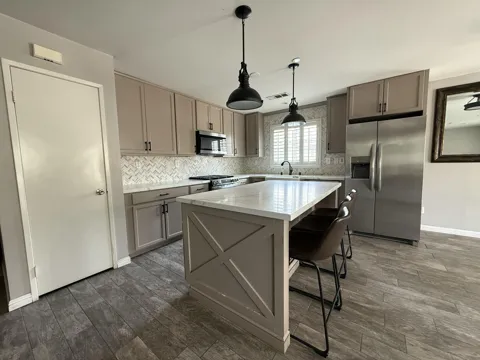
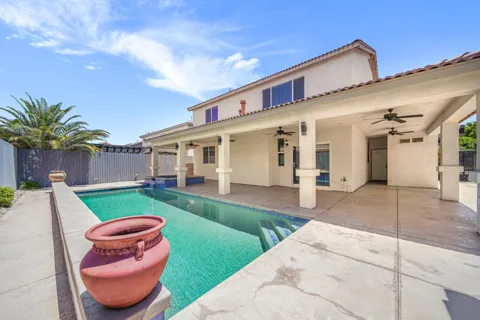
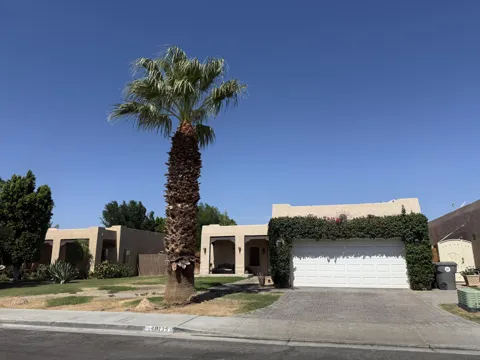
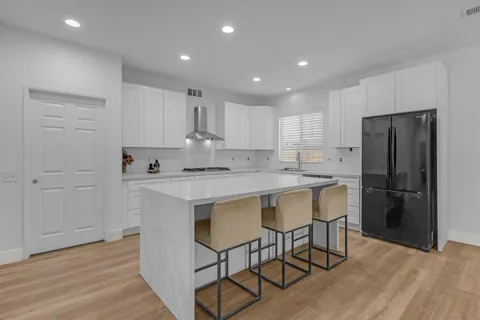
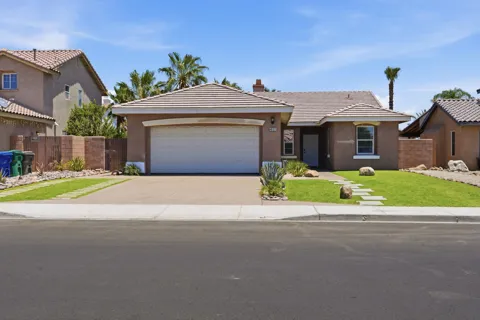
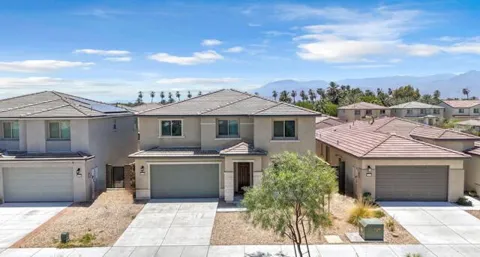
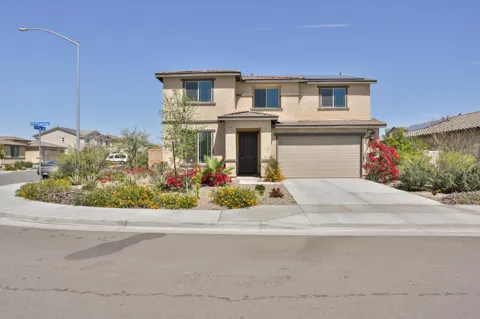
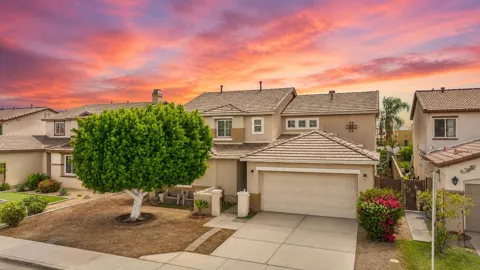
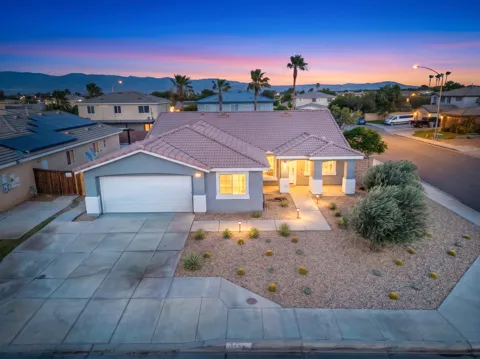
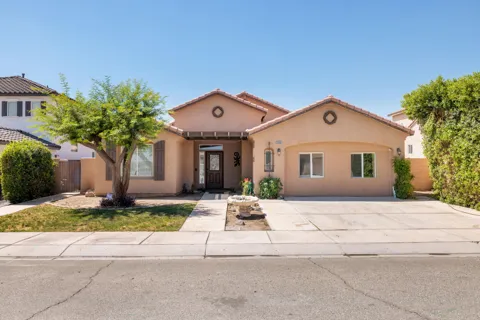
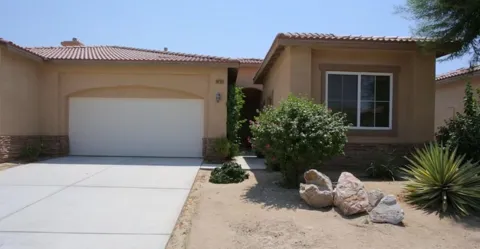
Coachella's housing stock reflects its history as an agricultural city. The community is built around single-family homes, many of them modest mid-century and later residences, along with newer subdivisions developed as the eastern valley has grown. Compared with the resort cities to the west, Coachella's housing has long been more working-class in character, and homeownership is common. The city has seen steady residential growth, with new construction extending outward from the older downtown core. Buyers are drawn by the valley's year-round sunshine, proximity to employment in agriculture, distribution, and the resort industry, and housing options that remain among the more accessible in the region.
Coachella's residential fabric spans an older downtown grid near the historic railroad corridor and a ring of newer subdivisions that have expanded the city outward. The original core reflects the community's railroad and agricultural beginnings, while more recent developments cater to a growing population drawn to the eastern valley. Neighborhoods are generally family-oriented, and many residents have multigenerational ties to the area's farming and packing industries. The city also includes newer planned communities at its edges, giving Coachella a mix of established blocks and fresh construction that sets it apart from the older resort towns to the west.
Coachella carries the working, family-centered character of an agricultural city rather than the resort atmosphere of Palm Springs and its neighbors. Community life revolves around schools, churches, and the rhythms of the growing and harvest seasons, and the city is home to a large Hispanic population with strong ties to the valley's farm-working heritage. Dining skews toward Mexican and regional cuisine, and local celebrations and cultural events reflect that heritage. Residents enjoy easy access to the festivals and shopping of Indio, the resorts and restaurants of the greater Palm Springs area, and the open desert and Salton Sea landscape that frame the eastern valley.
Coachella is served by the Coachella Valley Unified School District, which is based in nearby Thermal and operates about 22 schools across a service area that spans much of the eastern Coachella Valley. The district enrolls roughly 17,000 students and includes elementary, middle, and high schools as well as adult education. Given the district's large geographic footprint, schools draw from Coachella, Thermal, Mecca, and surrounding communities. Higher education options include College of the Desert, the community college serving the Coachella Valley, and the universities of the Inland Empire within driving distance.
Coachella sits in the eastern Coachella Valley, connected to the rest of the region by State Route 86 and State Route 111 and close to Interstate 10, the principal east-west corridor linking the valley with Los Angeles and the Arizona border. The city is roughly thirty miles east of Palm Springs and adjacent to Indio, and its railroad heritage endures in the freight lines that still serve the valley's agricultural economy. Palm Springs International Airport provides regional air service nearby, while commuters to larger employment centers in the Inland Empire and Los Angeles rely on I-10 and connecting highways.
Recreation around Coachella blends desert and agricultural landscapes. The Salton Sea lies just to the south, and the Sonny Bono Salton Sea National Wildlife Refuge offers birding along one of the Pacific Flyway's major stopover points. Residents also reach Joshua Tree National Park, the Santa Rosa and San Jacinto Mountains, and the hiking trails of the Coachella Valley within a drive. City parks, sports fields, and community events provide recreation close to home, while the festival grounds, golf courses, and resort amenities of Indio and the greater Palm Springs area are minutes away.
MARKET SNAPSHOT
How homes have been selling here over the last 90 days.
Market data reflects closed sales over the last 90 days and is provided for informational purposes.
BROWSE BY ZIP
Browse listings by postal code in this area.