Spanish Village by the Sea
Welcome to San Clemente, the "Spanish Village by the Sea" and Orange County's southernmost city, known for its Spanish Colonial Revival architecture, the pier, and a laid-back surf-town culture along the coast.
San Clemente is the southernmost city in Orange County, California, set on a stretch of coastal bluffs along Interstate 5 between Los Angeles and San Diego. Known as the "Spanish Village by the Sea," the city was founded in 1925 by developer Ole Hanson and incorporated in 1928. Hanson laid out an ambitious plan for a seaside community built in the Spanish Colonial Revival style—white stucco walls, red-tile roofs, and tile courtyards—an aesthetic that remains the city's architectural signature and is protected by local design guidelines. The city is defined by its relationship to the ocean. The San Clemente Pier extends into the Pacific at the foot of the downtown, anchoring a beachfront where surfers ride the pier's north-side break and families gather on the sand. The Pier Bowl, a cluster of beach homes and condos around the pier, and the nearby Avenida Del Mar shopping district form the heart of the coastal village. San Clemente also gained a place in national history as the home of the Western White House during the Nixon administration, a period that drew renewed attention to the city. Beyond the coast, San Clemente climbs into the coastal foothills, where newer master-planned communities such as Talega offer a more inland, suburban setting within the same city. Students attend the Capistrano Unified School District, including San Clemente High School, a California Distinguished School. Transportation runs along the coast and the rails. Interstate 5 passes through the city, and two train stations—the San Clemente Pier station on the Amtrak Pacific Surfliner and the inland San Clemente Metrolink station—connect the city to San Diego, Los Angeles, and the rest of the Orange County coast. The result is a coastal town that pairs Spanish-style charm and surf culture with practical access to two major metropolitan areas.
San Clemente is in Orange County, California, and is the county's southernmost city. It sits on the coast along Interstate 5, roughly midway between Los Angeles to the north and San Diego to the south.
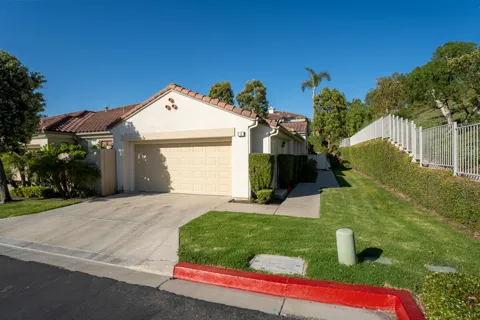
San Clemente earned the nickname because founder Ole Hanson laid out the city in 1925 around Spanish Colonial Revival architecture—white stucco walls, red-tile roofs, and tile courtyards. The city still preserves that style through design guidelines and historic districts.
San Clemente is served by the Capistrano Unified School District, which operates schools across southern Orange County. San Clemente High School, located in the city, is a California Distinguished School, and families are assigned to schools based on residential boundaries.
Key areas include the Pier Bowl, which surrounds the pier with beach homes and condos; Southwest San Clemente, the historic district; the Avenida Del Mar downtown shopping area; and Talega, a large master-planned community in the inland foothills.
Commuters use Interstate 5, Amtrak's Pacific Surfliner from the San Clemente Pier station, and Metrolink's Orange County and Inland Empire-Orange County lines from the inland San Clemente station, providing rail access toward San Diego and the Los Angeles area.
City Guide
San Clemente's housing is shaped by its Spanish Colonial Revival heritage. The original seaside neighborhoods feature casitas, bungalows, and bluff-top homes with white stucco walls, red-tile roofs, and arched details, many within walking distance of the beach. Around the pier, the Pier Bowl mixes older beach homes with condominiums offering ocean views. Inland and uphill, newer developments such as Talega provide master-planned, suburban-style homes on larger lots with community amenities. The city's design guidelines encourage new construction to harmonize with the Spanish style, preserving a cohesive architectural character from the coast to the foothills.
San Clemente's neighborhoods step from the beach up into the hills. The Pier Bowl, at the base of Avenida Del Mar, surrounds the pier with beach homes, condos, and ocean-view properties, along with the restaurants and surf shops lining the streets above the sand. Southwest San Clemente is the historic district, holding the earliest Spanish-style homes and the downtown core. Avenida Del Mar and Del Mar Plaza anchor shopping and dining near the coast. Inland, Talega is a large master-planned community in the coastal foothills, with parks, trails, and a more suburban feel. Between these poles, established hillside neighborhoods climb the bluffs, offering ocean and canyon views.
Life in San Clemente is built around the beach and a relaxed surf culture. Residents surf the pier's north-side break and other local spots, walk the coastal trail, and gather on the sand and at the pier. The downtown, centered on Avenida Del Mar and the Pier Bowl, offers cafes, surf shops, and restaurants within a compact, walkable village. The city's Spanish-style streetscapes and ocean views give daily life a distinctive Mediterranean feel. With Amtrak and Metrolink stations in town and Interstate 5 nearby, residents can reach San Diego and Orange County job centers while returning to a slower, beach-town pace.
San Clemente is served by the Capistrano Unified School District, one of Orange County's larger districts. San Clemente High School, located in the city, is a California Distinguished School, and the district operates a number of elementary and middle schools serving San Clemente neighborhoods. The district spans much of southern Orange County, and families in San Clemente are assigned to schools based on residential boundaries. The city also has private school options. Parents should confirm specific school assignments with the district, as boundaries can vary across the city's coastal and inland neighborhoods.
San Clemente sits along Interstate 5, the main coastal route between Los Angeles and San Diego, placing both metropolitan areas within reach. The city has two rail stops: the San Clemente Pier station, served by Amtrak's Pacific Surfliner with limited stops right at the beach, and the San Clemente Metrolink station, which provides commuter service on the Orange County and Inland Empire–Orange County lines. Weekend Metrolink service also reaches the pier station. This combination of freeway and rail access makes San Clemente practical for commuters heading north toward Irvine and Los Angeles or south toward Oceanside and San Diego.
Recreation in San Clemente revolves around the coast. The San Clemente Pier is a landmark for fishing, strolling, and sunset views, with surfing permitted on its north side. Nearby beaches and breaks—including T Street—draw surfers and families, and a paved coastal trail runs along the bluffs for walking and cycling. The city's parks and the trails of the surrounding foothills, including those in Talega, add inland options for hiking and recreation. To the south, the shoreline continues toward San Onofre, extending the region's surf and beach opportunities, while the Spanish-style downtown offers a walkable counterpoint to the ocean.
MARKET SNAPSHOT
How homes have been selling here over the last 90 days.
Market data reflects closed sales over the last 90 days and is provided for informational purposes.
BROWSE BY ZIP
Browse listings by postal code in this area.