Beachfront City on Santa Monica Bay
Welcome to Santa Monica, the Los Angeles County beach city where the Santa Monica Pier and Pacific Park meet a walkable, tree-lined downtown and the Westside tech corridor.
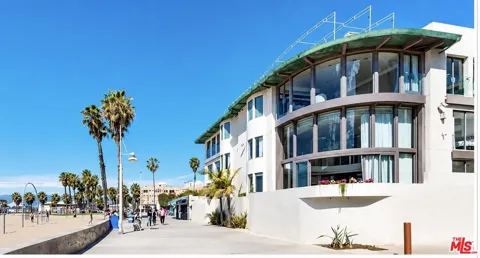
Santa Monica is a coastal city in Los Angeles County, California, fronting Santa Monica Bay along the state's South Coast. Incorporated in 1886, it grew from an oceanside resort town into a full-service city of roughly 93,000 residents with its own municipal government, police and fire departments, library system, and transit network. Its geography—a broad sandy beach, a bluff-top park, and gentle canyon foothills rising toward the Santa Monica Mountains—shapes both its identity and its daily life. The city occupies a narrow coastal plain between the Pacific Ocean and the mountains, bounded on the north by Pacific Palisades and on the south by Venice. This setting gives Santa Monica a mild, ocean-moderated climate and some of the region's most sought-after beachfront. Historically a destination for vacationers and early film-industry figures, the city matured into a dense, self-governing urban center while retaining its resort-town character. The local economy blends tourism and entertainment with professional services and a substantial base of technology and creative firms on Los Angeles's Westside. The Santa Monica Pier and its Pacific Park rides draw visitors year-round, while the Third Street Promenade and Main Street anchor retail and dining. Residents are a mix of long-established families, entertainment and tech professionals, and students, drawn by the climate, the coastline, and the walkable downtown. Housing ranges from early-twentieth-century craftsman bungalows and courtyard apartments to contemporary condominiums and larger estate homes near the ocean. The city's long-standing rent-stabilization program has helped preserve a degree of housing diversity unusual for the Westside. Strong schools, an extensive park system, and beach access make Santa Monica attractive to families, while its rail link keeps downtown Los Angeles within an easy ride and its streets among the most walkable and bikeable in the region. The city balances coastal tourism with a year-round resident population that values sustainability, outdoor living, and urban convenience.
Santa Monica is in Los Angeles County, California, and is an independent incorporated city with its own municipal government, police and fire departments, library system, and school district. It sits on the Pacific coast west of downtown Los Angeles, along Santa Monica Bay on the state's South Coast.
Public schools in Santa Monica are part of the Santa Monica-Malibu Unified School District, which serves both coastal communities from preschool through grade twelve, including Santa Monica High School. Santa Monica College, a well-regarded community college, is also located in the city.
Santa Monica lies roughly 15 miles west of downtown Los Angeles. The Metro E Line light rail connects downtown Santa Monica to downtown Los Angeles in under an hour, and Interstate 10 runs directly between the two, though traffic can lengthen the drive at peak times.
Santa Monica is best known for its beach, the historic Santa Monica Pier, and Pacific Park, the amusement park on the pier with its solar-powered Ferris wheel. The Third Street Promenade and Santa Monica Place anchor its downtown shopping district, and the city is recognized as one of the most walkable and bike-friendly parts of greater Los Angeles.
Santa Monica is one of the most walkable cities in Los Angeles County, with a compact downtown, wide bike lanes, a citywide bike-share system, and the Big Blue Bus network. The Metro E Line provides rail access to downtown Los Angeles, making car-free living more practical here than in most of the region.
City Guide
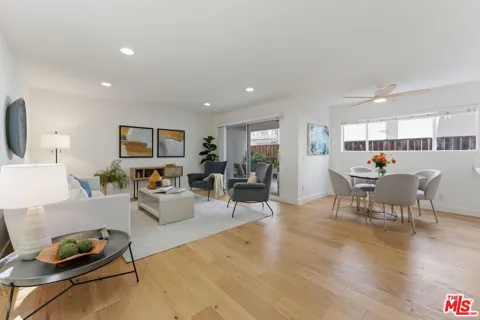
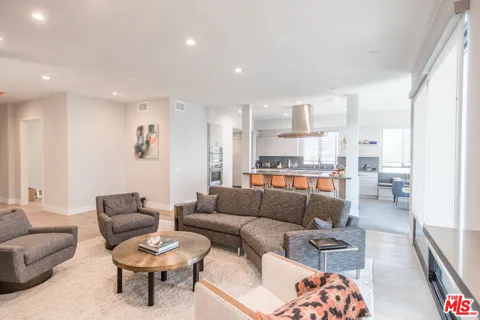
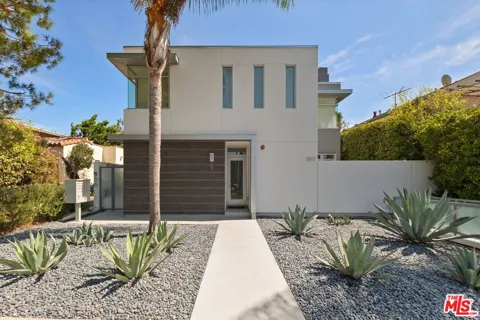
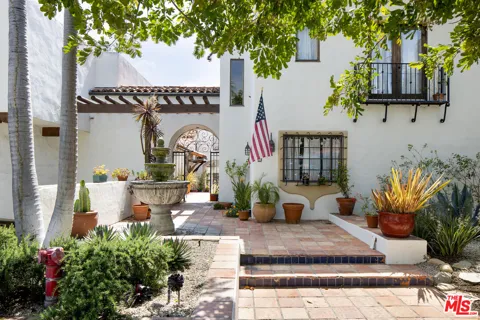
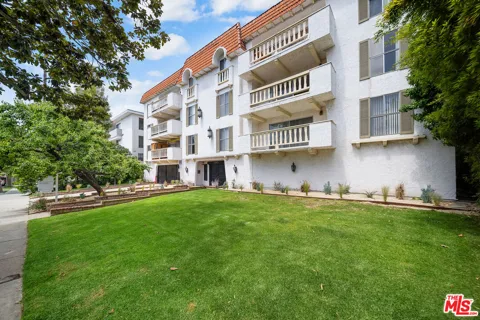
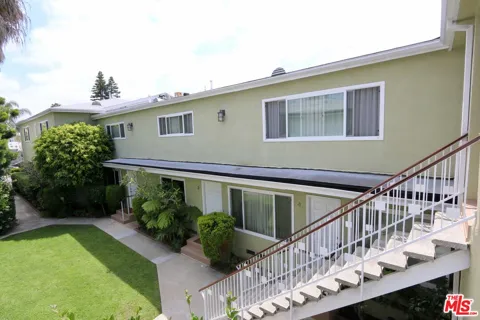
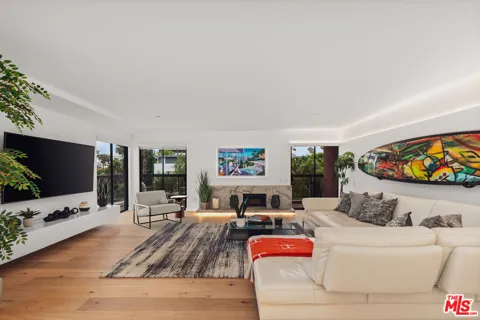
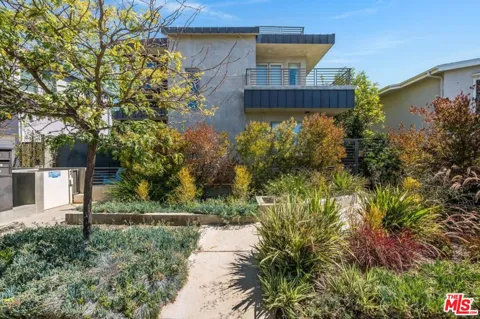
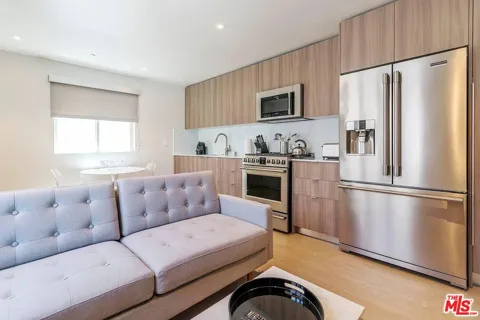
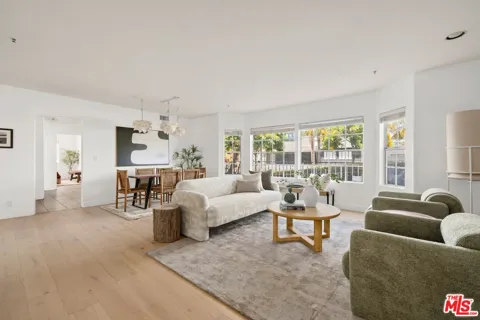
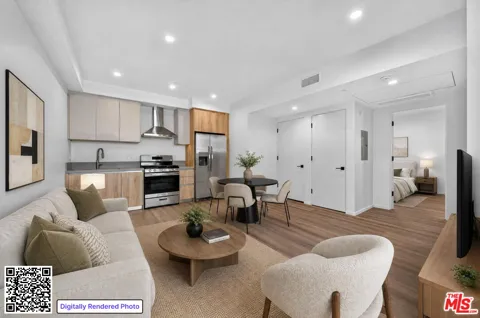
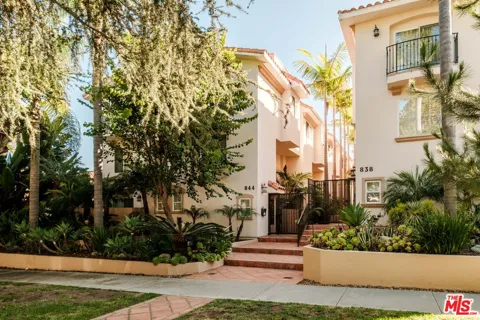
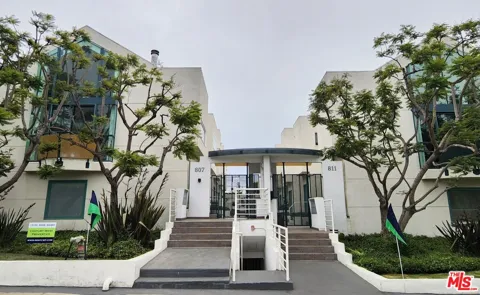
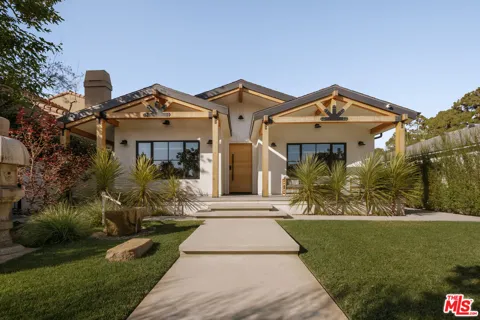
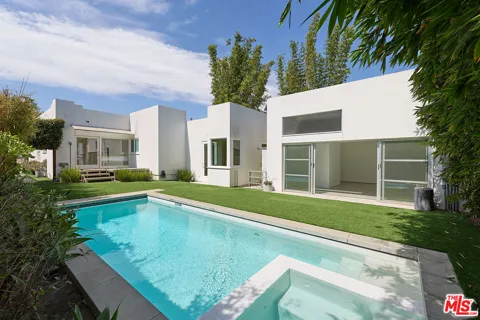
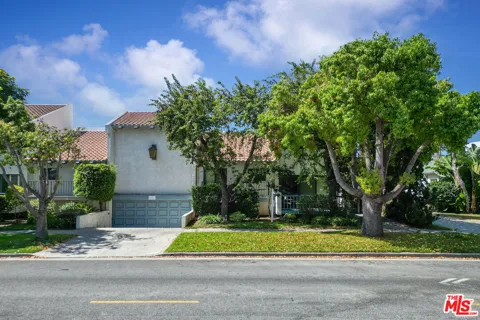
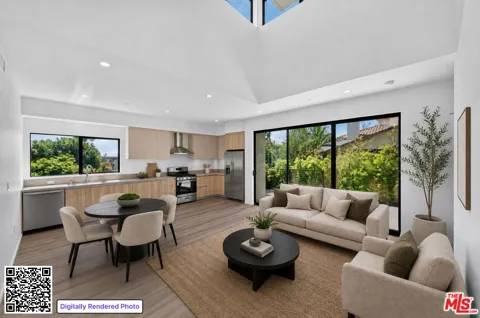
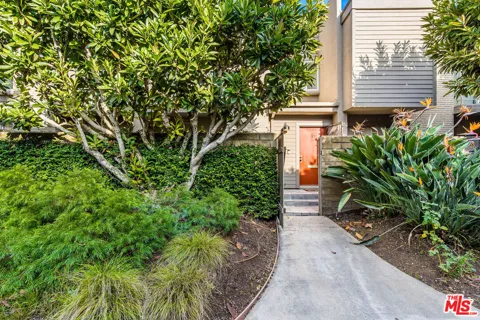
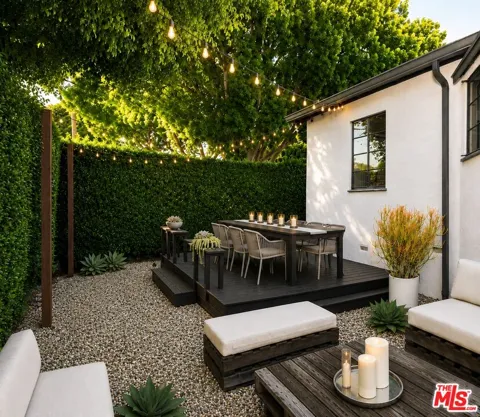
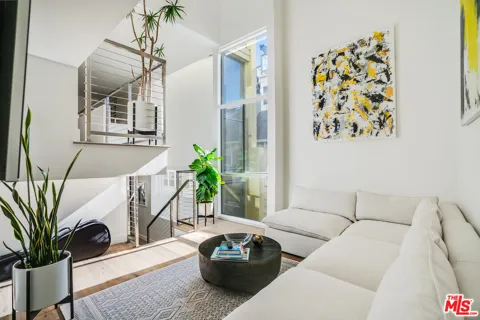
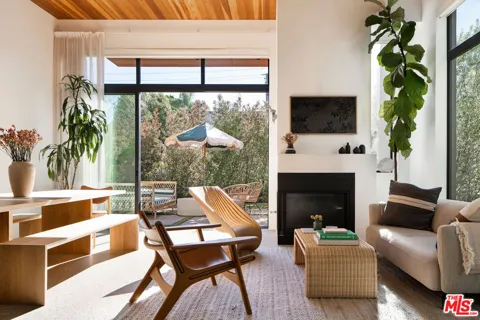
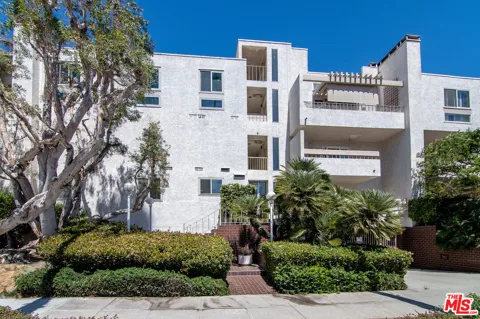
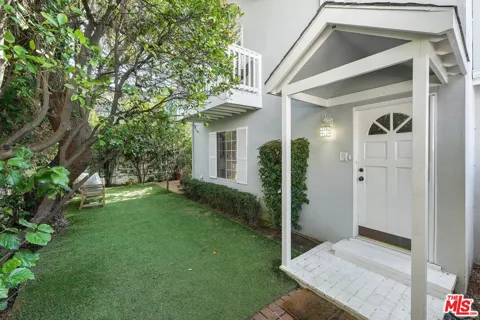
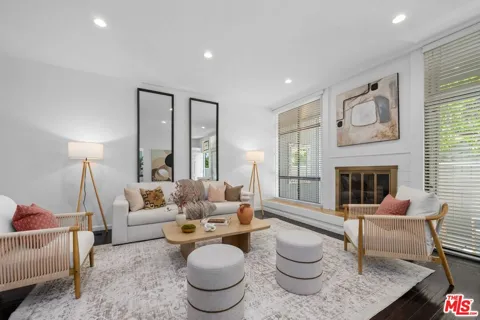
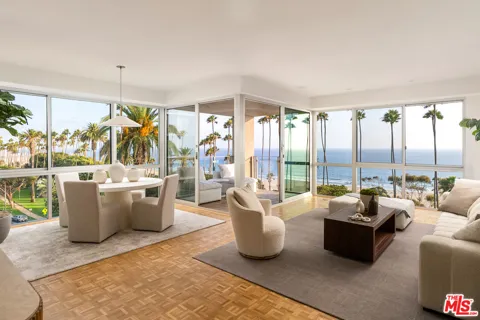
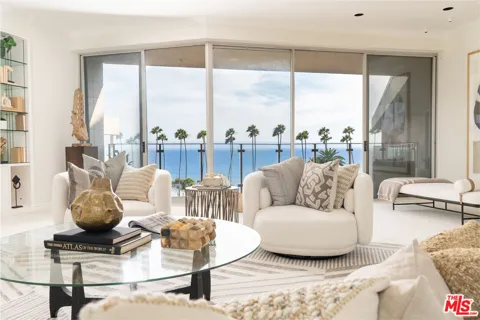
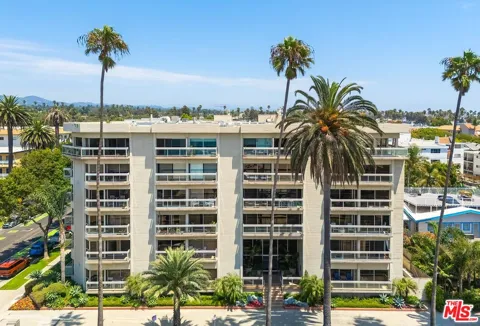
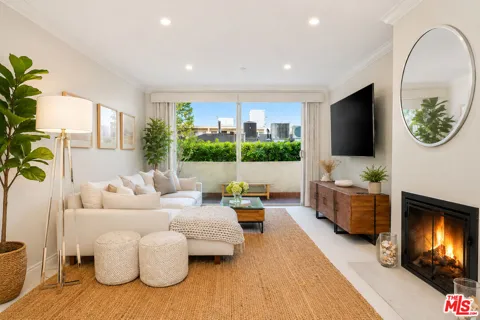
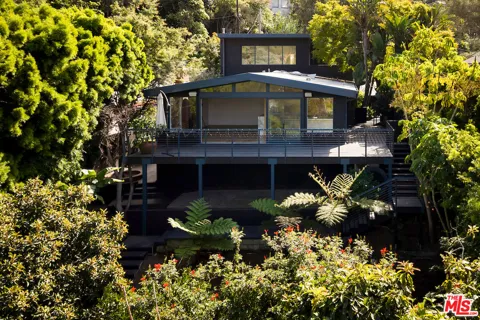
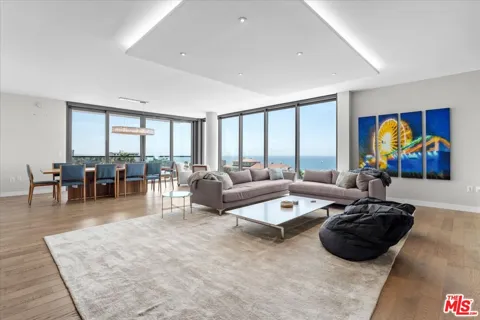
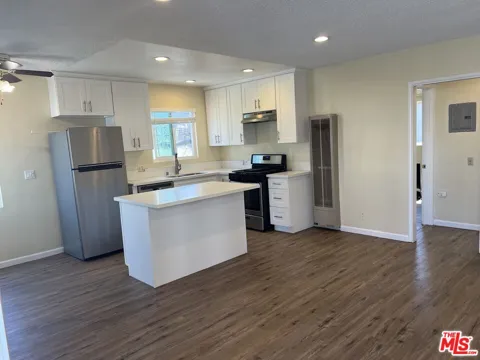
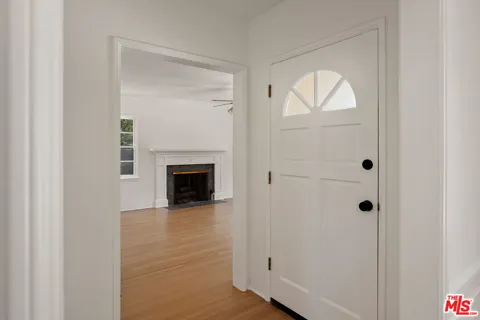
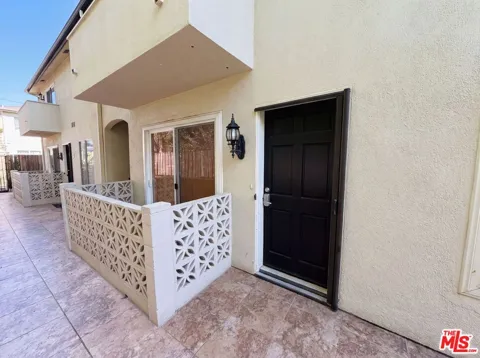
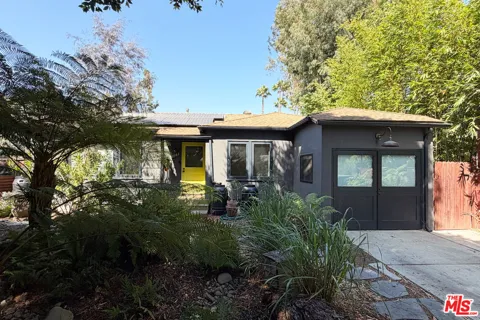
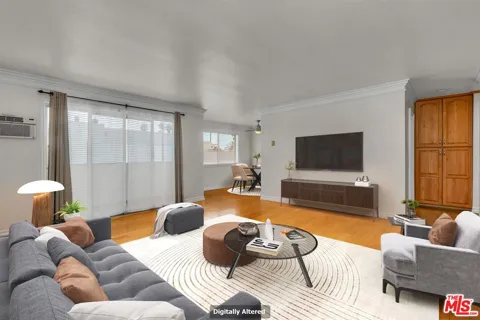
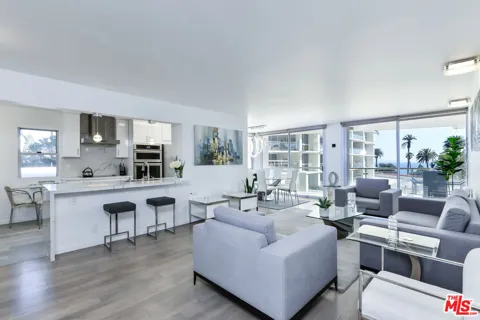
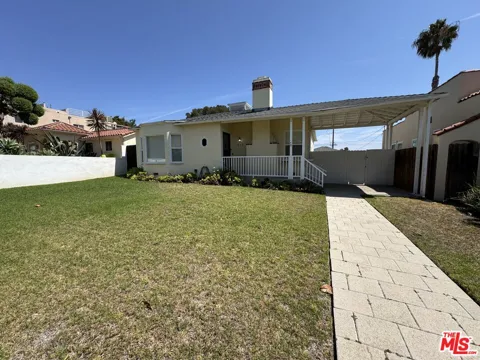
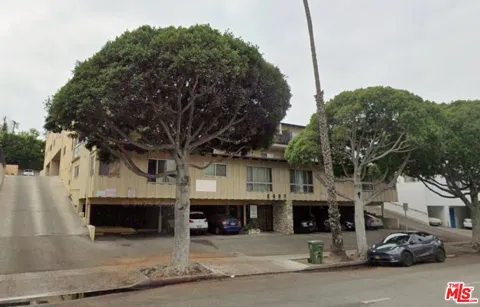
Santa Monica's housing stock reflects a century of coastal development. Early-twentieth-century California craftsman bungalows and Spanish and Mediterranean Revival homes line many interior streets, while courtyard apartment buildings—a pattern developed largely between 1915 and 1930—remain common across the city. Near downtown, mid-rise condominiums and contemporary multifamily buildings cluster around the rail line, and the ocean-adjacent neighborhoods hold larger, often historically significant residences. The city's rent-control ordinance covers most pre-1979 rental housing, supporting a mix of tenants and owners. Landscaped lots, mature street trees, and small front yards give many blocks a dense but garden-like character distinct from the more sprawling parts of greater Los Angeles.
Santa Monica's neighborhoods each carry a distinct identity. North of Montana is known for its wide streets and substantial homes near the bluffs, while Sunset Park offers a quieter, family-oriented grid of bungalows. Ocean Park, one of the city's oldest districts, runs toward the beach and mixes historic cottages with newer construction. Mid-City sits farthest inland, centered on retail corridors and everyday services. Downtown and the Third Street Promenade form the commercial heart, and Main Street provides a village-like strip of shops and cafés. Santa Monica Canyon and the Rustic Canyon area extend into the foothills, adding a more wooded, tucked-away feel at the city's northern edge.
Life in Santa Monica revolves around the coast and the outdoors. The beach and the bluff-top Palisades Park frame the western edge, and the city's bike-share network and broad bike lanes encourage car-free getting around. Dining stretches from Main Street cafés to Montana Avenue restaurants, and weekly farmers markets draw residents from across the Westside. The Third Street Promenade and Santa Monica Place anchor shopping and entertainment downtown. A year-round temperate climate supports active, outdoor living, while the city's cultural venues, galleries, and community events add depth beyond the beach. The overall feel is urban but relaxed—dense, walkable, and oriented toward the water.
Public education in Santa Monica is provided by the Santa Monica-Malibu Unified School District, which serves the coastal communities of Santa Monica and Malibu from preschool through grade twelve. The district operates elementary, middle, and high schools, including Santa Monica High School, and is consistently rated among the stronger systems in Los Angeles County. Santa Monica College, a large community college with an established transfer pipeline to University of California and California State University campuses, is also based in the city. Numerous private and independent schools supplement the public options, giving families a broad range of choices across the K-12 years.
Santa Monica sits at the western terminus of Interstate 10, the Santa Monica Freeway, which runs east toward downtown Los Angeles, and along State Route 1, the Pacific Coast Highway, which follows the coast north to Malibu and south to the South Bay. The Metro E Line provides light-rail service from downtown Santa Monica to downtown Los Angeles, and the Big Blue Bus network covers local and regional routes. A citywide bike-share system and an expanding grid of protected bike lanes support cycling, while Los Angeles International Airport lies a short distance to the southeast. The city's compact, walkable core means many daily errands are manageable on foot.
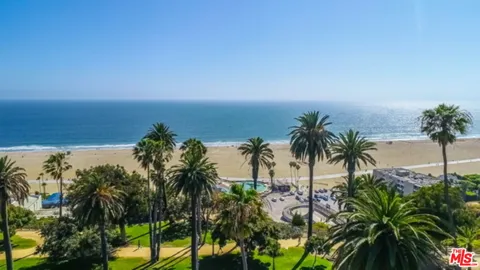
The Santa Monica Pier is the city's defining landmark, with Pacific Park's solar-powered Ferris wheel and roller coaster, an aquarium, and year-round fishing. The roughly three-mile beach runs alongside Palisades Park, a bluff-top linear park with ocean views and walking paths. Tongva Park and Ken Genser Square add gardens and gathering space near the civic center, while the Annenberg Community Beach House offers a public pool and beach facilities. The Santa Monica Mountains rise just inland, providing hiking and cycling routes, and Griffith Park lies within easy reach to the east. Beach volleyball, surfing, and cycling are woven into the city's daily fabric.
MARKET SNAPSHOT
How homes have been selling here over the last 90 days.
Market data reflects closed sales over the last 90 days and is provided for informational purposes.
BROWSE BY ZIP
Browse listings by postal code in this area.