Tree-Lined West San Gabriel Valley City
Welcome to South Pasadena, a tree-lined city in Los Angeles County's West San Gabriel Valley, known for its historic Craftsman homes, small businesses, and celebrated public schools.
South Pasadena sits in the West San Gabriel Valley of Los Angeles County, roughly 10 miles northeast of downtown Los Angeles and immediately south of its larger neighbor, Pasadena. It is one of the region's smaller and most cohesive cities, with a population around 26,000, and it has deliberately preserved a small-town, residential feel even as the surrounding metropolitan area grew around it. The Arroyo Seco, a seasonal river and parkway corridor, runs along its western boundary, while the San Gabriel Mountains rise to the north. The city's identity is rooted in its early-20th-century character. Incorporated in 1888, South Pasadena developed as a streetcar-era suburb, and much of its housing stock still reflects that period, with California Craftsman bungalows and Spanish Revival homes lining its streets. The city is widely associated with historic preservation; its tree-lined blocks and maintained older homes have made it a frequent filming location and a familiar stand-in for small-town America within greater Los Angeles. The South Pasadena Unified School District, whose boundaries match the city itself, has long been a source of local pride and a major draw for families. Today South Pasadena functions largely as a residential and commuter community. Its location, strong schools, and walkable commercial district draw families, professionals, and long-time residents alike. The presence of a Metro rail station in the heart of town gives residents a direct transit link into both Pasadena and downtown Los Angeles, an uncommon convenience among San Gabriel Valley suburbs. The central Mission Street corridor, with its independent shops and restaurants, anchors daily life and gives the city a distinct commercial identity apart from the larger retail centers nearby. The result is a community that feels rooted and neighborly while remaining closely tied to the larger region's employment and cultural centers. Its compact footprint, preserved architecture, and strong civic identity distinguish South Pasadena from the more sprawling communities around it, and it continues to attract people seeking a walkable, historically grounded place within one of the nation's largest metropolitan areas.
South Pasadena is in Los Angeles County, California. It sits in the West San Gabriel Valley, immediately south of the city of Pasadena and roughly 10 miles northeast of downtown Los Angeles, with the Arroyo Seco along its western boundary.
South Pasadena is served by the South Pasadena Unified School District, a single-city district that operates three elementary schools (Arroyo Vista, Marengo, and Monterey Hills), one middle school, and South Pasadena High School, with campuses consistently recognized among the state's strongest.
South Pasadena is roughly 10 miles northeast of downtown Los Angeles. The Metro A Line provides direct rail service from Mission Station to downtown Los Angeles and Pasadena, and the Arroyo Seco Parkway (State Route 110) runs along the city's western edge.
South Pasadena is known for its tree-lined streets, historic California Craftsman and Spanish Revival homes, the independent businesses along Mission Street, and its highly regarded public schools. Its preserved early-20th-century streetscapes have also made it a frequent filming location.
Yes. The Metro A Line stops at Mission Station in central South Pasadena, providing rail connections to Pasadena, downtown Los Angeles, and the broader Metro system. This central station supports a relatively car-optional lifestyle that is uncommon in the San Gabriel Valley.
City Guide
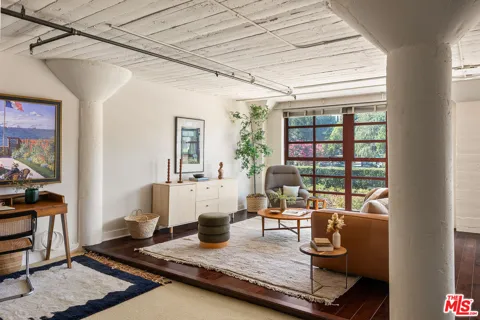
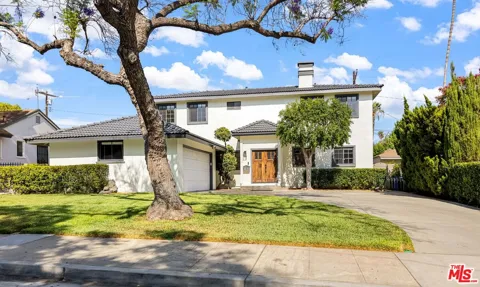
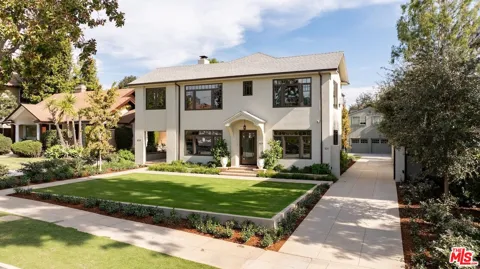
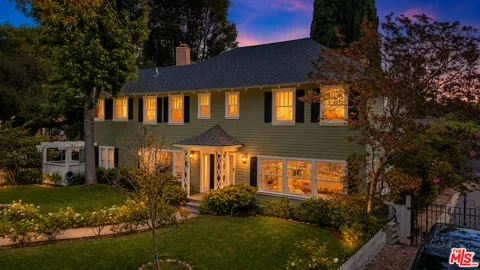
South Pasadena's housing stock is defined by its age and architectural character. The city is known for California Craftsman bungalows, Spanish Revival homes, and other early-20th-century styles, many of them maintained as part of the city's broader preservation ethic. Homes tend to sit on smaller, established lots with mature trees, and the streetscapes are consistently walkable. Because much of the inventory predates mid-century building standards, many older homes have undergone seismic retrofits and system updates, and exterior changes in landmarked or designated areas are subject to the city's Cultural Heritage Ordinance and design review. The market is predominantly single-family, with some multifamily pockets near commercial areas and the transit corridor. Buyers are typically drawn by architectural character, strong schools, and the walkable proximity of Mission Street.
South Pasadena is organized around a compact, walkable core and a set of residential neighborhoods that are often identified with their local elementary schools. The commercial heart runs along Mission Street, lined with independent shops and restaurants and served by the Metro station. Neighborhoods such as the areas around Marengo, Arroyo Vista, and Monterey Hills elementary schools reflect the city's quiet, tree-lined residential pattern, with a mix of Craftsman and Spanish Revival homes. The character throughout is consistent: maintained older housing, sidewalks, and a strong sense of block-level community. Proximity to the Arroyo Seco on the western side adds greenery and recreational access to several neighborhoods.
Daily life in South Pasadena centers on its walkable downtown along Mission Street, where independent retailers, cafés, and restaurants serve a community that values local character over chain retail. The city's small footprint and tree-lined streets make it easy to get around on foot, and the central Metro station encourages a car-optional lifestyle uncommon in the San Gabriel Valley. Residents enjoy close access to Pasadena's cultural and commercial offerings, including Old Pasadena, while retaining a quieter, more residential atmosphere at home. Community life is anchored by the school district and long-standing civic institutions, and the city's preserved historic streetscapes give it a distinct, enduring sense of place.
South Pasadena is served entirely by the South Pasadena Unified School District (SPUSD), a single-city district that operates five public schools: three elementary schools (Arroyo Vista, Marengo, and Monterey Hills), one middle school, and South Pasadena High School. The district is a central reason families choose the city; its schools have been repeatedly recognized as California Distinguished Schools and National Blue Ribbon recipients, and the high school and middle school have earned California Gold Ribbon honors. Because the district's boundaries align with the city itself, school identity is closely tied to neighborhood identity, and the system's reputation is a defining feature of the community.
South Pasadena's transportation profile is anchored by the Metro A Line, which stops at Mission Station in the heart of the city and provides direct rail service to Pasadena, downtown Los Angeles, and the wider Metro system. For drivers, the Arroyo Seco Parkway (State Route 110) runs along the city's western edge and offers a direct route into downtown Los Angeles; the 210 and 134 freeways are also nearby. The city sits roughly 10 miles from downtown Los Angeles, making it a practical base for commuters throughout the region, while its internal walkability and central rail station reduce the need for daily driving.
The Arroyo Seco, which forms South Pasadena's western boundary, provides a natural amenity with walking paths and green space near the city's edge. The city's tree-lined residential streets themselves serve as a network for walking and neighborhood recreation. Residents also benefit from immediate access to Pasadena's recreational landmarks, including the Rose Bowl and Brookside Park area, and to trailheads in the nearby San Gabriel Mountains and the Angeles National Forest. Within the city, parks and school grounds offer neighborhood-level open space, and the community's compact scale makes most recreation easily reachable on foot.
MARKET SNAPSHOT
How homes have been selling here over the last 90 days.
Market data reflects closed sales over the last 90 days and is provided for informational purposes.
BROWSE BY ZIP
Browse listings by postal code in this area.