San Fernando Valley Studio District
Welcome to Studio City, the San Fernando Valley neighborhood born from Mack Sennett's movie lot, set along Ventura Boulevard and the Hollywood Hills.
Studio City is a neighborhood within the city of Los Angeles, California, occupying the southeast corner of the San Fernando Valley just west of the Cahuenga Pass. With a population of roughly 39,000, it is one of the Valley's most recognizable and centrally located communities, sitting about 12 miles northwest of downtown Los Angeles and immediately adjacent to Universal City and the Hollywood Hills. The neighborhood's identity begins with its name. In 1927, silent-film pioneer Mack Sennett — creator of the Keystone Kops — established a studio on a former lettuce ranch near what is now Ventura Boulevard and Radford Avenue. The lot grew into the CBS Studio Center, and the surrounding community that Sennett helped develop took the name Studio City, making it one of Los Angeles's earliest master-planned, entertainment-driven districts. That industry heritage persists in the working studios, production offices, and the creative professionals who remain part of the area's fabric. Geographically, Studio City is split between two landscapes. South of Ventura Boulevard, its main commercial corridor, the neighborhood flattens into tree-lined residential streets of mid-century homes. North of the boulevard, the terrain rises steeply into Fryman Canyon, Laurel Canyon, and the Santa Monica Mountains, where hillside streets, view homes, and open space dominate. Ventura Boulevard itself carries one of the Valley's liveliest dining and retail scenes, while the smaller Tujunga Village provides a village-scale commercial pocket. Studio City is well connected. The 101 Freeway runs along its eastern edge, Laurel Canyon Boulevard provides a direct route over the hill into West Hollywood and Beverly Hills, and the Metro Red Line's Universal City/Studio City station links it to Hollywood and downtown. LAUSD schools, anchored by the long-established Carpenter Community Charter, serve local students. Studio City suits entertainment-industry professionals, families seeking established schools and parks, and buyers drawn to a neighborhood that offers walkable commercial streets on one side and canyon trails and views on the other — all within minutes of the studios and the rest of Los Angeles.
Studio City is a neighborhood within the city of Los Angeles, located in Los Angeles County. It sits in the southeast San Fernando Valley, just west of the Cahuenga Pass and the 101 Freeway.
Studio City was named for the studio lot established by silent-film pioneer Mack Sennett in 1927, where he made slapstick comedies including the Keystone Kops. That lot later became the CBS Studio Center, and the surrounding area adopted the Studio City name.
Studio City students attend Los Angeles Unified School District campuses. Carpenter Community Charter, founded in 1924, is the neighborhood's elementary school, while students continue on to middle and high schools such as Walter Reed Middle School and North Hollywood High School in the surrounding area.
Studio City is defined by Ventura Boulevard, its main commercial corridor, and by the hillside neighborhoods rising into Fryman Canyon and the Santa Monica Mountains toward Mulholland Drive. The 101 Freeway and the Metro Red Line's Universal City/Studio City station connect it to Hollywood and downtown Los Angeles.
City Guide
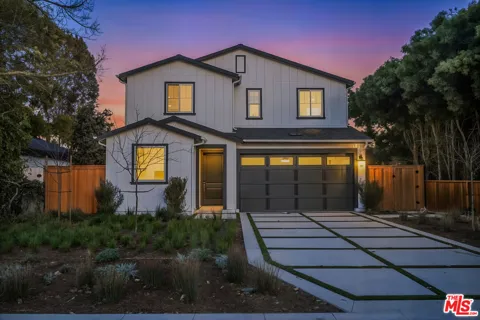
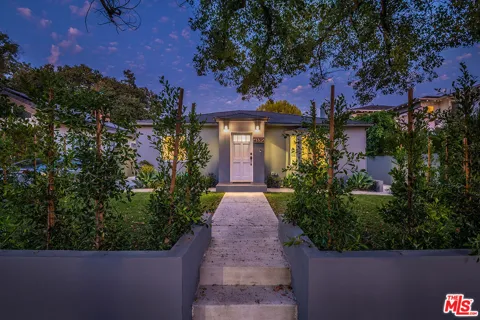
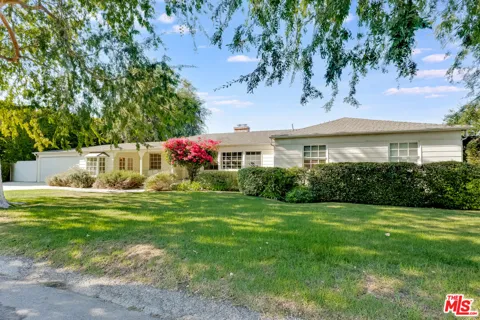
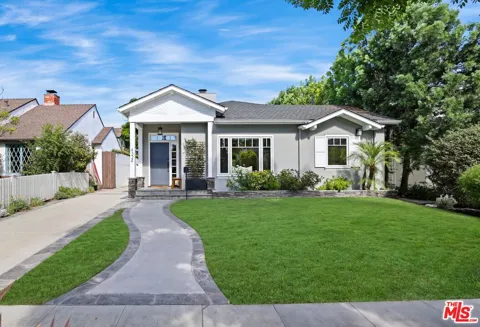
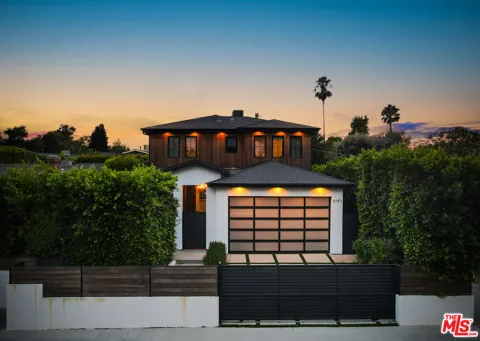
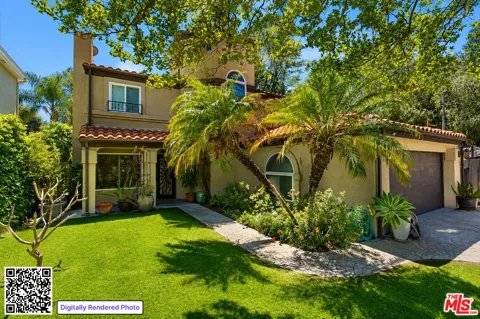
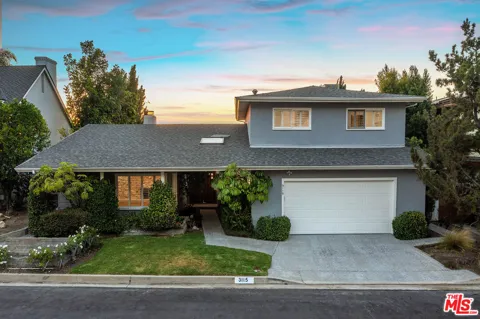
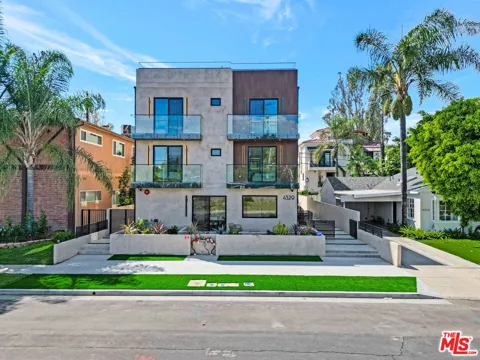
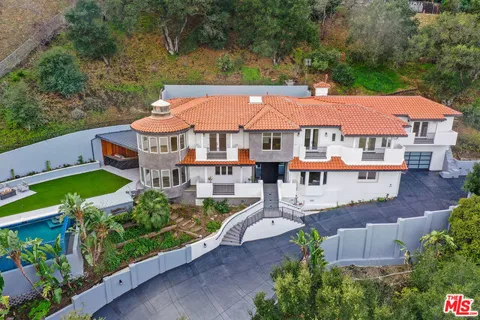
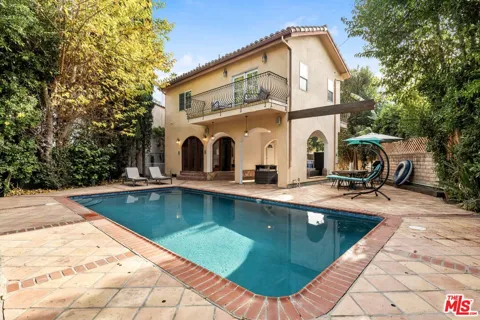
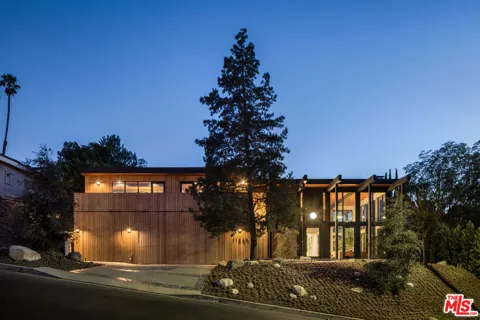
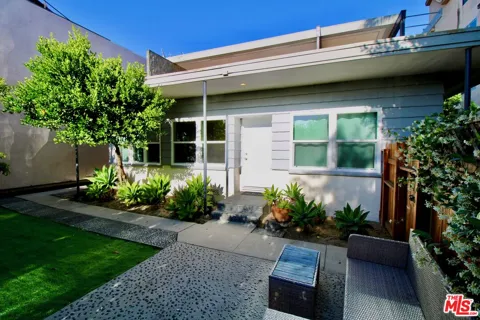
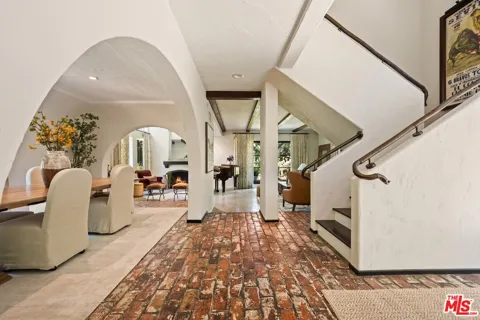
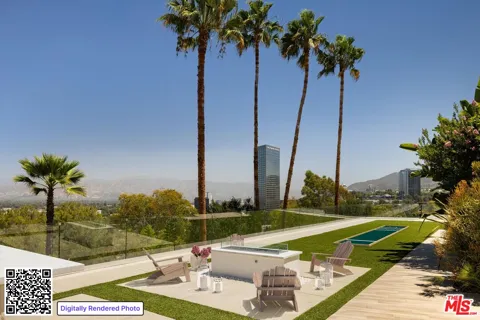
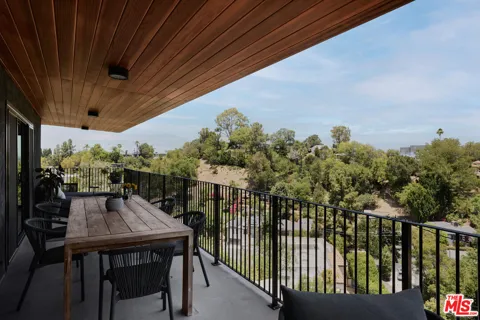
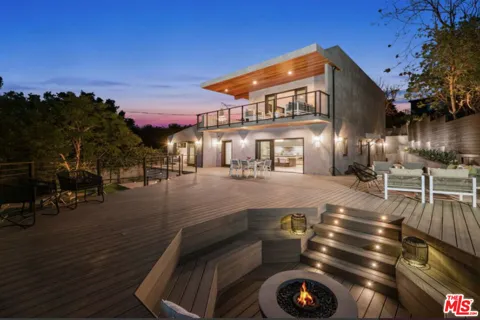
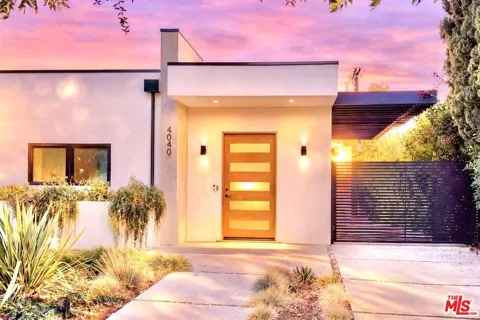
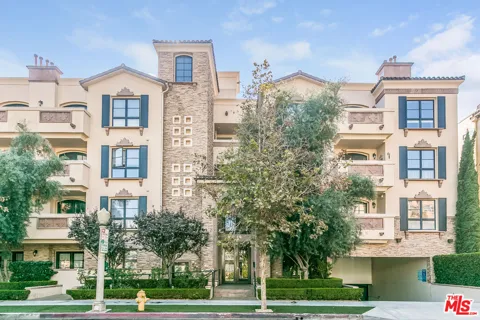
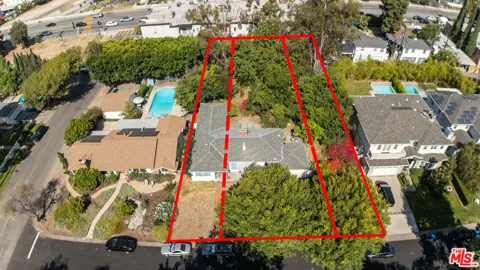
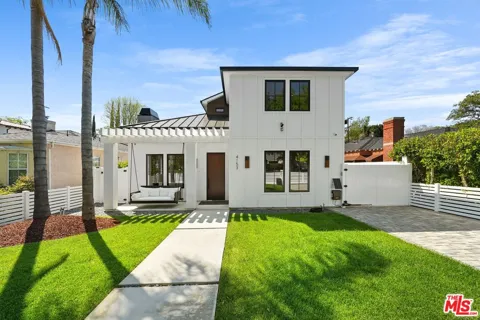
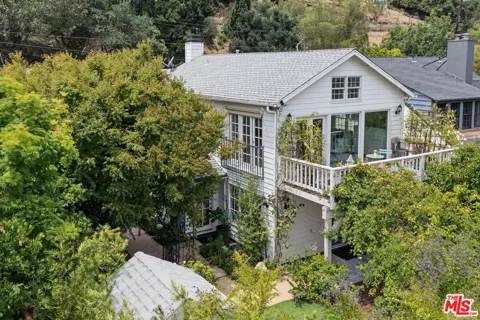
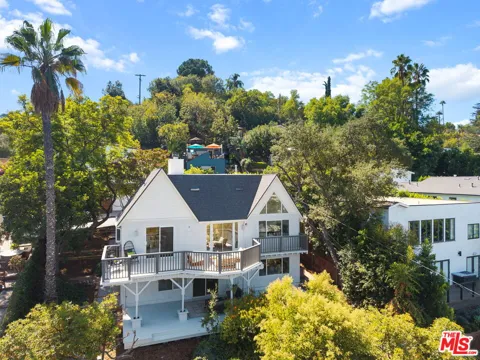
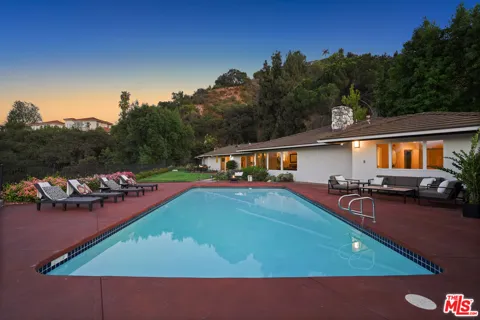
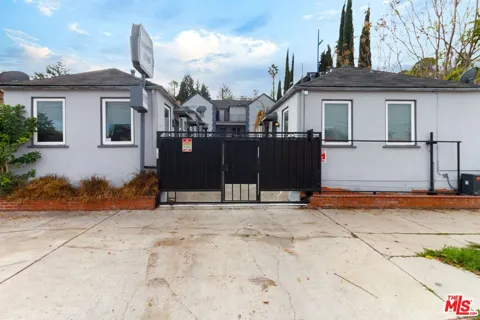
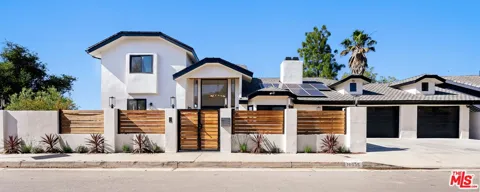
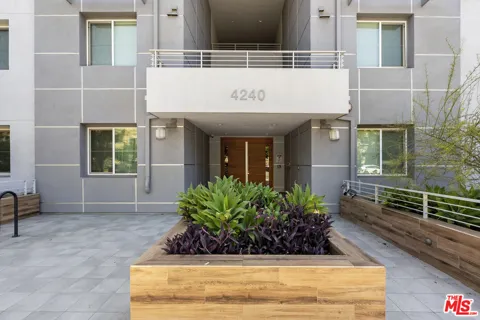
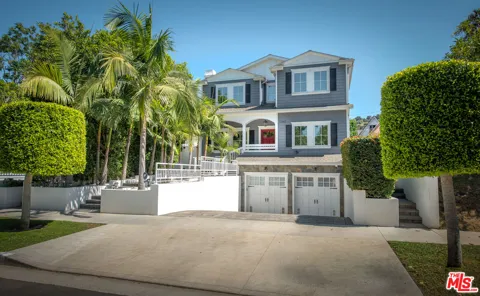
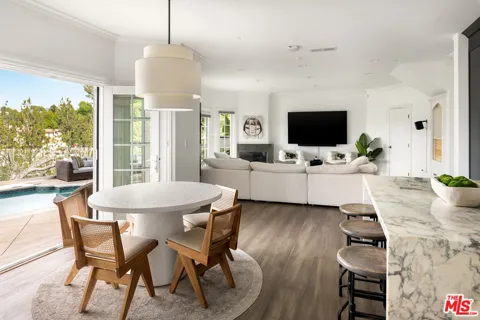
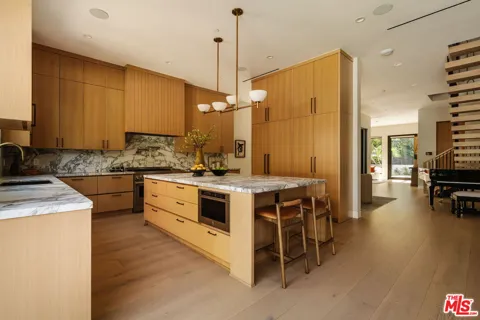
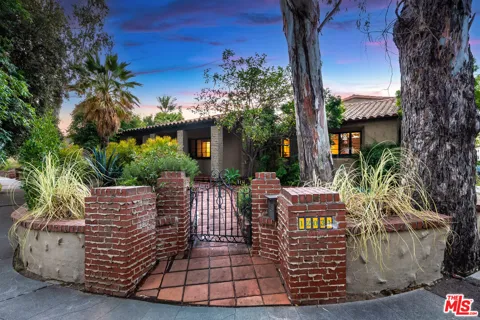
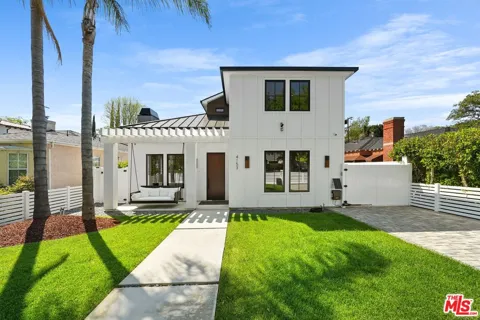
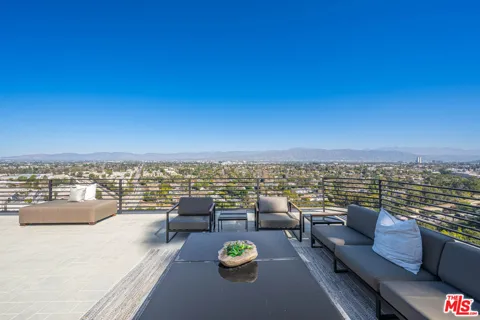
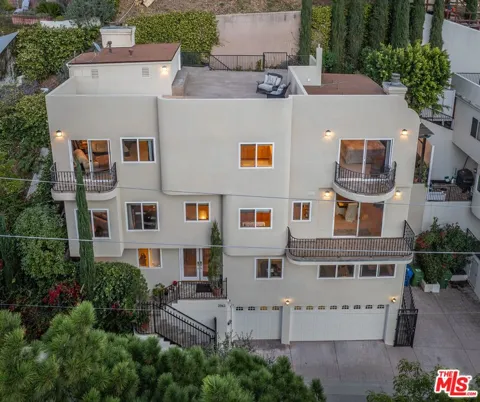
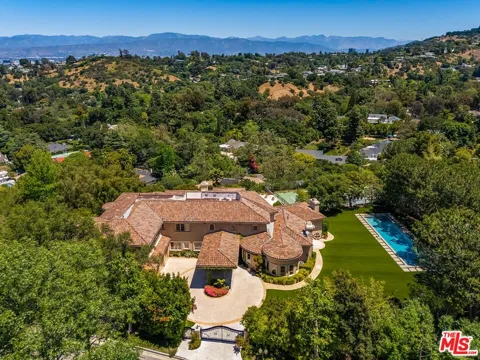
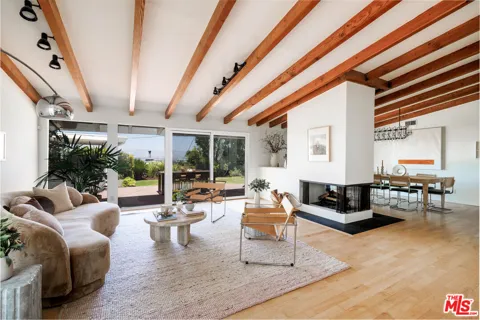
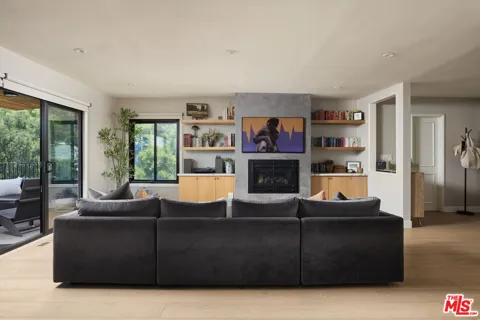
Studio City's housing stock spans a wide range, from modest mid-century ranches and bungalows on the flats south of Ventura Boulevard to hillside estates with sweeping views in the canyons. The neighborhood's early development as a planned community left a legacy of tree-lined streets and well-kept lots, while later infill added contemporary and Mediterranean-style homes. Hillside areas such as Fryman Canyon, Laurelwood, and Wrightwood Estates hold larger, view-oriented properties, while the Silver Triangle and Colfax Meadows offer sought-after, walkable streets near Ventura Boulevard. Townhomes and small-lot developments have added denser, lower-maintenance options in recent years, reflecting the neighborhood's enduring desirability.
Studio City is composed of several distinct sub-neighborhoods. The Silver Triangle, bounded by Ventura Boulevard, Laurel Canyon Boulevard, and Laurel Terrace Drive, is prized for its walkability and character homes. Colfax Meadows, used frequently as a filming location, features leafy streets and vintage houses, while Tujunga Village offers a compact shopping-and-dining enclave. To the north, the streets climb into the hills — Fryman Canyon, Laurelwood, and Wrightwood Estates — where view lots, larger homes, and proximity to trailheads define the setting. Beeman Park and Footbridge Square anchor the residential flats, giving the neighborhood a layered mix from urban walkability to canyon seclusion.
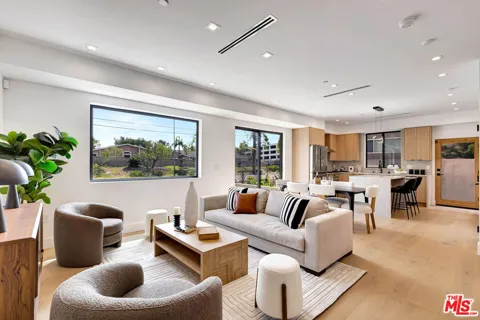
Studio City offers a quintessential Los Angeles lifestyle that blends entertainment-industry energy with neighborhood comfort. Ventura Boulevard, the area's main artery, is lined with restaurants, cafes, boutiques, and sushi bars — the dining scene is a particular draw — while the Tujunga Village strip provides a smaller-scale village feel. The neighborhood's ties to the entertainment business remain visible in the CBS Studio Center and in the writers, actors, and industry professionals who call it home. Residents balance urban convenience with easy escapes into the Santa Monica Mountains, and the area's proximity to Universal Studios, Hollywood, and the Westside gives it one of the Valley's most central, connected addresses.
Studio City is served by the Los Angeles Unified School District. Carpenter Community Charter, founded in 1924 and located in the heart of the neighborhood, is Studio City's elementary school, while Rio Vista Elementary also serves the area. Middle and high school students typically continue to nearby LAUSD campuses such as Walter Reed Middle School and North Hollywood High School, and a number of private schools operate in and around the neighborhood. Families moving to Studio City commonly weigh charter and magnet options within LAUSD, and the neighborhood's central Valley location keeps many private and specialized schools within easy reach.
Studio City is among the best-connected neighborhoods in the San Fernando Valley. The 101 Freeway runs along its eastern edge, providing direct access to Hollywood, downtown Los Angeles, and the Westside, while Laurel Canyon Boulevard and Coldwater Canyon Avenue offer routes over the hills to West Hollywood and Beverly Hills. The Metro Red Line's Universal City/Studio City station, just east of the neighborhood, provides subway service to Hollywood and downtown. Ventura Boulevard serves as the local transit spine, with frequent bus routes, and the neighborhood's central position keeps Universal Studios, Burbank, and the Valley's employment centers all within a short commute.
Recreation in Studio City leans on the Santa Monica Mountains that rise along its northern edge. Fryman Canyon Park and the 128-acre Wilacre Park, with the lower trailhead of the Betty B. Dearing Trail, offer hiking and mountain views minutes from Ventura Boulevard. Neighborhood parks such as Beeman Park, Moorpark Park, and Woodbridge Park provide playgrounds, sports courts, and picnic areas. The neighborhood's proximity to Universal Studios Hollywood, Griffith Park, and the Hollywood Bowl adds major attractions within a short drive, while Laurel Canyon and Mulholland Drive open the door to the city's broader trail network.
MARKET SNAPSHOT
How homes have been selling here over the last 90 days.
Market data reflects closed sales over the last 90 days and is provided for informational purposes.
BROWSE BY ZIP
Browse listings by postal code in this area.